
Google Ads offers a wide range of settings that directly influence campaign performance, yet many marketers focus only on the most obvious options, such as keywords and bidding strategies. Hidden settings such as audience exclusions, ad scheduling, device adjustments, and conversion tracking configurations can significantly impact results when used correctly. Sunshine Coast marketing often emphasize the importance of fully optimizing these overlooked features to improve targeting accuracy and reduce wasted ad spend. By understanding and fine-tuning these deeper settings, marketers can gain a stronger competitive advantage and achieve more efficient campaign outcomes. This article explores lesser-known Google Ads settings that many marketers often overlook.
Campaign Network Settings and Traffic Quality
One commonly overlooked area is selecting ad networks for a campaign. Google Ads allows advertisers to choose where their ads appear, including search results, display placements, and partner networks. When these settings are not carefully managed, ads may appear in locations that generate low-quality traffic or weak engagement. This can reduce conversion efficiency even if click volume remains high. Proper network configuration helps ensure ads are shown in environments that align with campaign goals and audience intent.
Conversion Tracking Configuration Issues
Conversion tracking is a critical but often misconfigured part of Google Ads setup. Without accurate tracking, it becomes difficult to measure which ads are actually driving meaningful results. Some marketers rely on incomplete or incorrectly installed tracking systems, leading to misleading performance data. This can result in poor optimization decisions and inefficient budget allocation. Proper configuration ensures conversions are recorded accurately, allowing the system to optimize toward real business outcomes rather than surface-level metrics like clicks or impressions.
Ad Scheduling and Delivery Timing Controls
Ad scheduling settings allow advertisers to control when ads are shown throughout the day or week. This feature is often underused despite its impact on campaign efficiency. Different audiences may be more active at specific times, and showing ads outside these periods can reduce effectiveness. Without proper scheduling, budgets may be spent during low engagement hours. Adjusting delivery timing helps align ad exposure with peak user activity, improving the likelihood of conversions and better return on investment.

Audience Targeting Layers Beyond Keywords
Many advertisers rely heavily on keywords while ignoring other audience-targeting options. Google Ads provides multiple layers of audience segmentation, including demographic signals, interests, and behavioral patterns. These settings allow campaigns to reach users based on broader characteristics rather than search terms. When used effectively, audience targeting can improve relevance and reduce unnecessary impressions. However, if left unoptimized, campaigns may reach users who are less likely to engage or convert, thereby affecting overall performance.
Location Targeting Precision and Misalignment
Location targeting is another area where small misconfigurations can lead to significant inefficiencies. Google Ads allows targeting at country, regional, or even radius levels, but incorrect settings can result in ads being shown to irrelevant audiences. In some cases, advertisers unintentionally include broader regions than intended, leading to wasted impressions. Precise location targeting ensures that campaigns reach users within the most relevant geographic areas, improving both engagement and conversion rates.
Hidden Google Ads settings influence campaign performance through network placement, audience targeting, conversion tracking, scheduling, and location configuration. Many marketers overlook these deeper controls while focusing only on surface-level optimization, such as keywords and bids. However, these settings play a major role in determining traffic quality and overall efficiency. Understanding and optimizing them helps improve ad relevance, reduce wasted spend, and support stronger campaign outcomes over time.…



 Waiting for torrents to finish can feel like watching paint dry. The anticipation builds, yet the progress bar barely moves. Frustration sets in as you see others enjoying their media while you’re stuck in limbo. Enter the premium appbox and seedbox
  Torrenting can be a gray area for many users. It’s essential to prioritize privacy and security when navigating this space. With a premium appbox or seedbox, you gain access to secure connections. These services use VPNs that safeguard your data from prying eyes. Your IP address remains hidden, ensuring anonymity while you download. Encryption is another layer of protection they offer. This keeps your online activities shielded from potential threats like hackers or malicious software. You can torrent without the fear of compromising personal information. Additionally, reputable providers often have strict no-logs policies.




 Invest in high-quality deadbolts and locksets. Deadbolts with a minimum one-inch throw bolt offer enhanced security. Consider smart locks for added convenience and control over access. Smart locks can be remotely controlled, allowing you to lock and unlock your exterior doors from anywhere using a smartphone app. You can also grant temporary access codes to guests or service providers and receive instant notifications whenever someone enters your home.
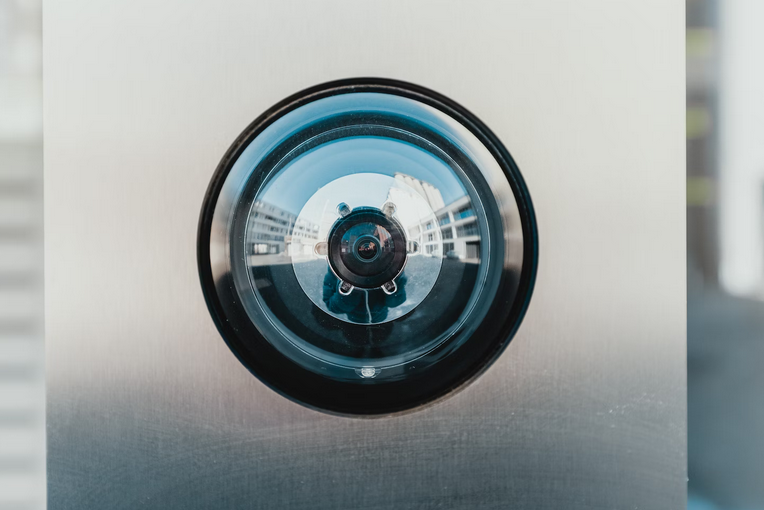 Consider installing security cameras near your exterior doors. These cameras act as an extra layer of protection by deterring potential intruders and capturing any suspicious activity that may occur. You can choose between wireless or wired cameras, depending on your preference and budget. With advancements in technology, many security cameras now offer features such as live streaming, motion detection, and two-way audio communication.
 Thanks to algorithmic video editing, filmmakers can now streamline their workflow and bring their visions to life with greater efficiency. This innovative technology utilizes powerful algorithms that automatically analyze footage and make intelligent editing decisions based on predefined parameters. By automating certain aspects of the editing process, algorithmic video editing saves filmmakers precious time that can be better spent on other creative tasks. Not only does algorithmic video editing speed up the post-production phase, but it also enhances collaboration between editors and directors.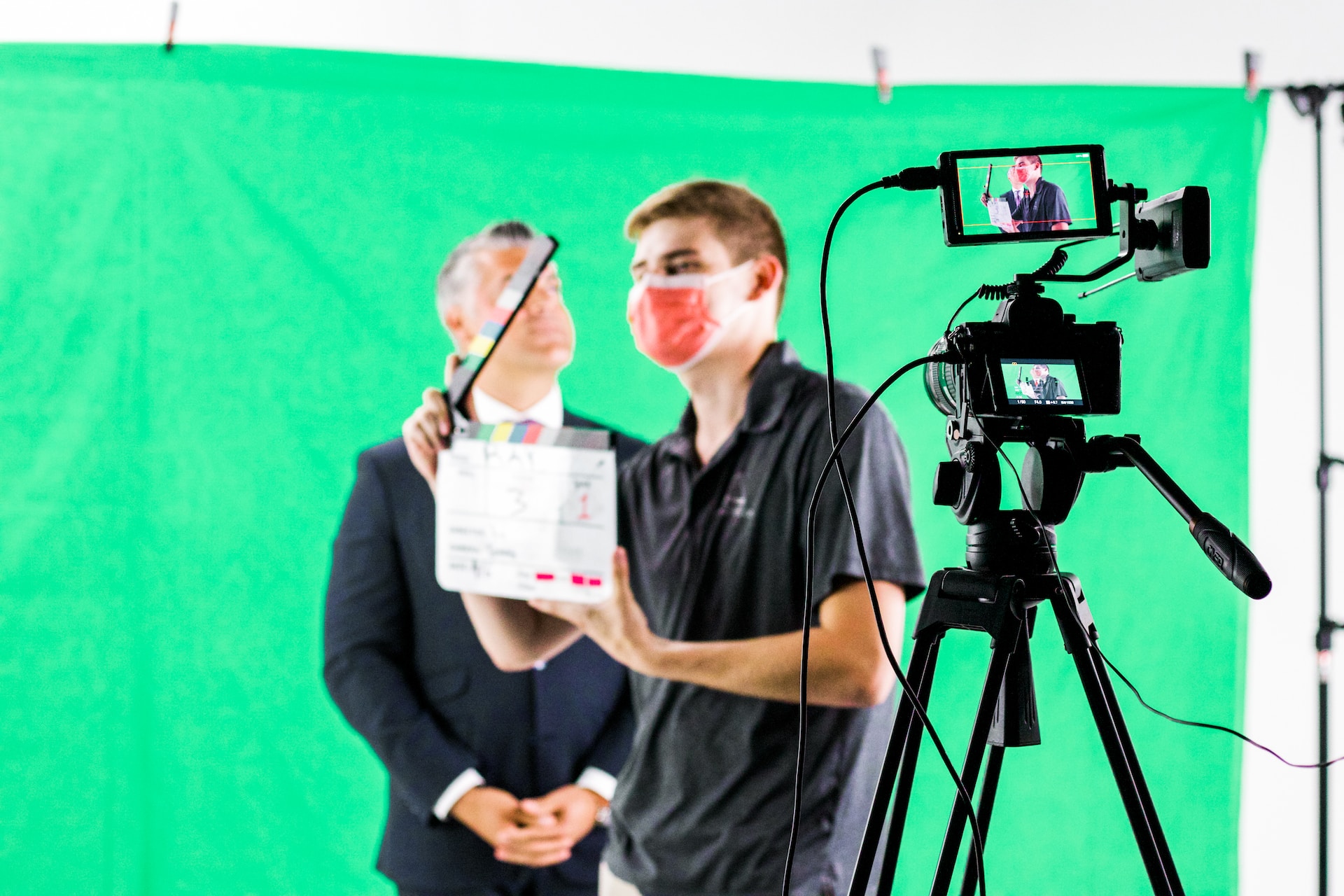
 The best thing about real-time rendering is its ability to provide instant feedback on lighting, textures, and camera angles. This means that directors and cinematographers can make adjustments on the fly, saving precious time and resources. No longer do they have to wait for hours or even days for a render to complete before seeing how their shots will look. Additionally, this innovation allows for greater collaboration between different departments involved in filmmaking. The director can work closely with the VFX team to iterate on visual effects sequences while also incorporating feedback from other stakeholders such as producers and editors.
 When in the hunt for the best MIDI interface for your Mac, there are a few things to consider. Now, you’ll want to ensure the interface is compatible with your operating system. Many options on the market today are designed specifically for macOS, so be sure to look for those. One excellent option is the MOTU M4.
 The first and most important equipment for any music producer is a digital audio workstation or DAW. This is the software that you will use to record, edit, and mix your music. There are many different DAWs on the market, so it’s essential to choose one that’s right for you. If you’re just starting out, you may want to choose a DAW that’s easy to use and has a lot of tutorials available. Some popular DAWs include Ableton Live, Logic Pro X, and Pro Tools.
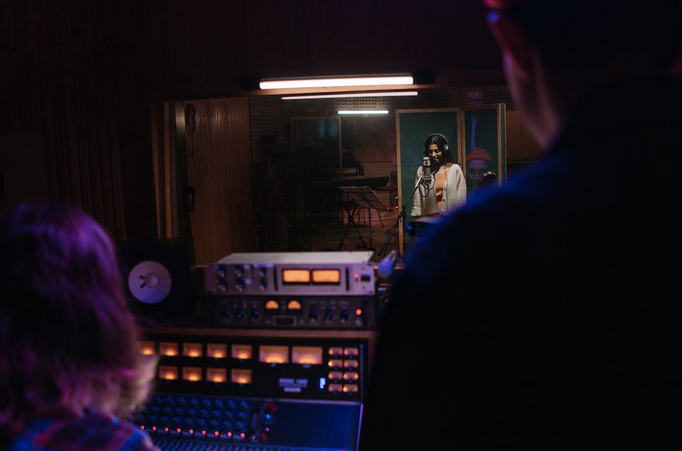 Now that you’ve got your DAW and studio headphones, you will need an audio interface. An audio interface is a hardware device that helps you to sync your microphone and instruments to your computer. This is essential for recording your music. Not only that, but an audio interface can also improve the sound quality of your recordings. Many beginner-friendly audio interfaces are available for under $200.
 The first factor that will help you choose the right baby monitor is the features. Baby monitors, just like other tech devices, tend to come with different features. The best baby monitors will have the latest features. Some of the common features you should consider include light activation sensors, night vision, sound, and video recording. In addition, there are baby monitors that come with other features you may be interested in; they include the best split screen baby monitor.
 The second factor you should consider is the price of the baby monitor you intend to buy. It is crucial to note that baby monitors tend to come in different price ranges. If you wish to use your money wisely, it will pay off to make a budget.
 Apart from the features and price, you should also consider the baby monitor brand. It is crucial to note that not all brands are ideal as they claim. It will be best if you buy a monitor from a brand known to produce reliable gadgets of high quality. You can do some research about a brand online or ask other parents. Some well-known brands include the Nest Cam and the Nanit Plus baby monitor.
 It’s high time we all woke up and embraced technology to the fullest. All that we do in our daily lives is somehow connected to computers and technology. Installing telephone answering services for your business or home is not any different.
 After extensive research, you must be in full knowledge of who the genuine experts are. Most of them have been in operation for the longest time. The least we can do is widen the scope of our search, and it will be easier to contact them.